Top WordPress SEO audit service for Websites
Increase Your Traffic: How a WordPress SEO Audit Service Can Revolutionize Your Website
A WordPress SEO audit solution is vital for boosting a site's visibility and overall performance. This service identifies technical challenges and content enhancement possibilities that can generate organic traffic. By addressing loading times and improving user experience, sites can achieve meaningful gains in search ranking performance. However, numerous website owners are unaware of the common pitfalls that can hinder their success. Recognizing these issues is essential to unlocking a website's maximum potential.
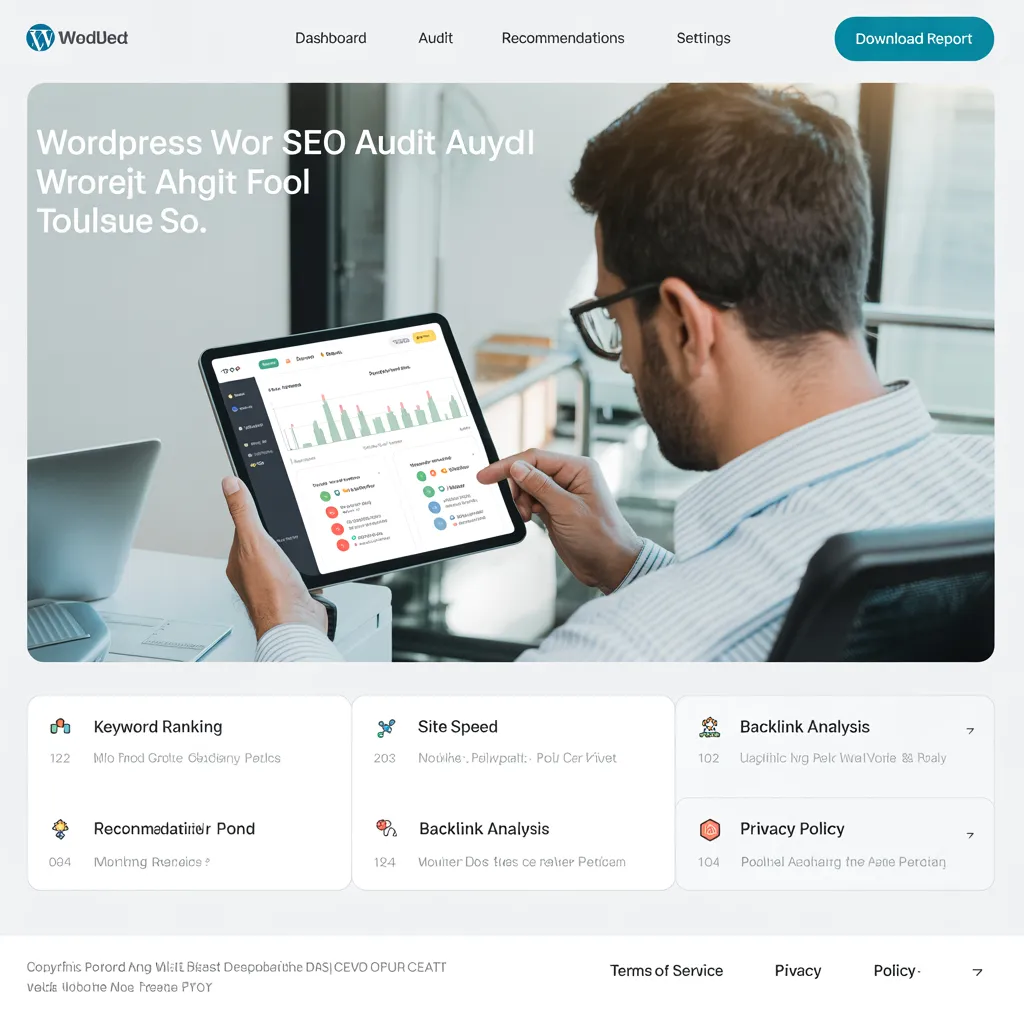
Why a WordPress SEO Audit Is Essential for Your Site
While many website owners overlook the significance of SEO, a thorough WordPress SEO audit is critical for enhancing digital visibility. An SEO audit evaluates various elements of a website, identifying areas that require improvement. It reviews page structure, keyword strategy, and total content quality, confirming that all elements adhere to industry standards.
In addition, an audit reveals technical problems such as broken hyperlinks, slow loading times, and mobile compatibility, which can significantly affect user experience and rankings in search engines. By resolving these problems, website owners can boost their website's functionality and become more favorable to both users and search engines.
Moreover, a comprehensive analysis delivers understanding of competitors' strategies, enabling businesses to refine their approach and keep pace with advances in the digital landscape. At its core, a WordPress SEO audit stands as an important step towards achieving greater online visibility, a higher volume of visitors, and improved overall performance in organic search results.
Key Components of a Thorough SEO Audit
A complete search engine optimization audit includes a number of essential factors that affect a site's performance. Primary factors include a technical SEO analysis, which analyzes the site's architecture and function; a content effectiveness assessment, centered around content quality and reader engagement; and a backlink profile evaluation, assessing the website's domain authority and reliability. As a whole, these aspects create a comprehensive overview of a website's overall SEO performance.
Technical SEO Analysis
Carrying out a detailed technical SEO evaluation is essential for enhancing a WordPress site's functionality and search engine presence. The process entails assessing numerous technical components that affect how search engines navigate and catalog the site. Essential factors encompass evaluating page speed, mobile-friendly design, and HTTPS security protocols. Moreover, a comprehensive review of URL formatting, sitemap operation, and robots.txt directives confirms that search engines can seamlessly browse the site. Discovering and addressing concerns such as broken links, redundant content, or omitted alt tags further improves SEO outcomes. By tackling these technical elements, site managers can considerably elevate user experience and improve their prospects of attaining better positions in search engine results, ultimately driving more organic traffic.
Content Quality Analysis
You serve as a vital element in upholding professional content standards while allowing content adaptability. Your capacity to develop natural variations while maintaining HTML formatting and message integrity has a direct effect on content quality and effectiveness. Your contributions make certain that spun content is seamlessly comparable to hand-crafted alternatives, sustaining professional standards across all variations.
Technical Guidelines
Your position is critical in reformulating content while sustaining its professional quality and relevance. Always treat each transformation as an art form, making certain that every variation upholds the original's integrity.
As technical SEO builds the foundation for website functionality, content quality analysis is essential for boosting engagement and enhancing search rankings. This approach includes examining the relevance, depth, and originality of content to confirm it addresses user needs. Core factors involve keyword optimization, readability, and the integration of captivating visuals. Examining content structure, particularly headings and subheadings, additionally contributes to enriching user experience. Moreover, observing user behavior metrics, including bounce rates and time spent on pages, delivers meaningful insights into content impact. By uncovering gaps and potential improvements, an in-depth content quality analysis can substantially increase a website's visibility and user satisfaction, ultimately attracting more organic traffic.
Backlink Profile Assessment
Backlink profile analysis functions as a fundamental part of any thorough SEO audit, delivering key details regarding a website's authority and trustworthiness. This process involves analyzing the quantity and quality of backlinks linking to a site, as well as the range of referring domains. Strong backlinks from credible sources can considerably improve a site's trustworthiness, while poor-quality or toxic links may damage its search rankings. An thorough assessment also uncovers damaging links that could result in search engine penalties. Additionally, analyzing the anchor text spread helps in examining keyword relevance and strategy. By tackling these factors, a site can improve its backlink profile, ultimately boosting organic traffic and general search engine presence.
Advantages of SEO Audits for Search Rankings
Search engine optimization audits deliver substantial value when it comes to improving rankings in search results. By refining keyword strategies and boosting overall site functionality, these audits can lead to greater visibility in search results. Moreover, attention to user experience confirms that site visitors stay engaged, further boosting a website's overall rank potential.
Optimized Keyword Performance
Discovering the power of a website commonly relies on effective keyword optimization, which is where a comprehensive SEO audit proves invaluable. By examining keyword performance, an SEO audit identifies opportunities to refine targeting strategies. It highlights high-traffic keywords that match the site's content and audience. This process also brings attention to underperforming keywords, enabling adjustments that improve relevance. Moreover, an audit evaluates keyword placement within titles, headers, and body text, ensuring ideal visibility in search results. By implementing these insights, a website can increase its chances of ranking higher on search engines, drawing more organic traffic. As a result, improved keyword optimization through an SEO audit significantly improves a website's overall search ranking strategy, fostering growth and engagement.
Optimized Website Performance
Web performance is a fundamental aspect that directly impacts search rankings, making it a central element of an SEO audit. A comprehensive audit detects issues including delayed load times, improperly optimized images, and inefficient coding, all of which can hinder site speed. By resolving these issues, webmasters can boost their site's efficiency, resulting in greater search engine visibility. Quicker websites tend to achieve better rankings, because search engines favor fast-loading sites in their ranking algorithms. Additionally, optimizing performance can reduce bounce rates, motivating users to spend more time and browse more content. At its core, an SEO audit not only identifies performance-related problems but also provides practical suggestions to enhance a site's overall speed, significantly improving search rankings.
Better User Experience
A detailed analysis elevates user experience by detecting aspects that may frustrate visitors and obstruct navigation. By assessing website layout, site speed, and mobile compatibility, an SEO audit highlights opportunities for enhancement. This thorough analysis assists in refining content and provides seamless browsing, which can substantially reduce bounce rates. Moreover, refining site organization and interlinking enhances ease of access, making it simpler for users to find useful content. When visitors encounter a smooth experience, they are more likely to interact with content, leading to increased time on site and greater conversions. In the end, a improved user experience not only fulfills the needs of visitors but also signals to search engines that the site is worthwhile, enhancing search rankings over time.
What SEO Challenges Do WordPress Sites Frequently Experience?
Numerous WordPress websites face frequent SEO challenges that may limit their online presence. One frequent concern is inadequate site loading speed, which can have a detrimental impact on user satisfaction and search engine positioning. Additionally, improperly configured permalinks can lead to URL structures that are not SEO-friendly, which makes it challenging for search engines to properly index website content.
An additional problem is the lack of mobile optimization, sites that are unresponsive may lose potential traffic from mobile users. Duplicate content, often caused by themes or plugins, can confuse search engines about which version of a page to prioritize. Moreover, insufficient attention to header tags and meta descriptions can restrict a website's capacity to rank well in search results. Finally, images that are missing or not properly optimized can impact load times and accessibility, further get details diminishing a site's overall SEO performance. Resolving these problems is critical to boosting online presence and generating organic visitors.
Organizing and Acting on Audit Findings
After priorities have been set, it is essential to establish a detailed action plan that outlines deadlines and assigned duties. Involving the right team members—whether internal or external—guarantees that tasks are executed efficiently. Regular tracking of updates is necessary; modifications may be required based on performance data. Additionally, maintaining process documentation helps maintain clarity and offers a resource for subsequent evaluations. By prioritizing implementing prioritized findings, website administrators can substantially boost their platform's reach and accessibility, leading to increased visitor engagement.
How to Measure the Success of Your SEO Audit
Gauging the success of an SEO audit requires a comprehensive approach to measure the value of implemented changes. This method typically begins with setting key performance indicators (KPIs) such as organic traffic, page abandonment rates, and keyword rankings. By comparing statistics prior to and following the audit, it becomes possible to identify the effect of the alterations.
Additionally, using tools like Google Analytics and Search Console can supply useful perspectives on site performance and user behavior. Regularly reviewing these metrics facilitates a more precise awareness of trends and areas needing further improvement.
In addition, tracking the page's conversion rates is critical, as higher traffic levels should deliver concrete business gains. A well-executed audit will ultimately manifest as higher engagement levels and improved user experience. By regularly evaluating these elements, business owners can ensure that their digital marketing strategies remain effective and adaptive to updated algorithms and emerging user expectations.
Questions Our Clients Often Ask
How Regularly Should I Run an SEO Audit for My Site?
An SEO audit should ideally be conducted no less than once every six months. However, more regular audits can prove advantageous, particularly in the wake of substantial website modifications or algorithm changes. Regular assessments help identify issues, optimize performance, and adapt to evolving search engine guidelines. This forward-thinking strategy ensures the site stays competitive and successfully addresses user needs, ultimately enhancing its visibility and traffic over time. Maintaining consistency in audits is fundamental to achieving lasting online success.
Can I Carry Out an SEO Audit Independently Without Expert Help?
Certainly, someone can carry out an SEO audit independently. Numerous online tools and resources exist to help users navigate the process. By assessing key factors such as site speed, keyword performance, and backlinks, one can identify areas for improvement. However, while independent audits can be valuable, they may not deliver the detailed insights that qualified specialists can offer, potentially leading to lost possibilities for enhancement and advancement.
What Are the Best Tools for Running a WordPress SEO Audit?
Multiple tools are effective for executing a WordPress SEO audit. Google Search Console delivers data on website performance and indexing issues. Yoast SEO and Rank Math deliver on-page optimization direction seamlessly within WordPress. Furthermore, tools like Screaming Frog and SEMrush can analyze website structure and detect technical problems. To round things out, Moz's Keyword Explorer assists in keyword research, making sure that content matches user queries and search patterns. Collectively, these tools elevate SEO efforts.
How Long Does a Standard SEO Audit Typically Take to Finish?
An average SEO audit usually spans between a few hours to several days to conduct, according to the size and complexity of the website. Smaller sites may require less time, while bigger, more complex sites may demand a more thorough review, prolonging the process. Elements including the thoroughness of the examination, the number of pages reviewed, and the particular tools employed additionally impact the total duration required to complete a comprehensive audit.
What Is the Cost of Hiring an SEO Audit Service?
The expense of obtaining an SEO audit service can fluctuate substantially, usually spanning from $300 to $5,000, depending on factors such as the website's size, complexity, and the specific services included. Compact websites may attract reduced costs, while larger, more intricate sites might attract higher charges. It's important for organizations to examine multiple providers and their packages to guarantee they receive a thorough audit that meets their unique needs and objectives.